
Platforms that support creator revenue in 2026 typically enable several routes for creators to earn through video and community engagement. These routes often include short commercial insertions placed inside videos, platform-managed in-stream ad units, recurring payments from subscribers, and direct audience-supported features. The technical and policy frameworks that govern these routes define where ads can appear, how revenue is allocated, and which content types qualify, and they may change with platform updates and evolving advertising demand.
Ad insertion and revenue options are implemented alongside content and advertiser safeguards. In-stream ads can be timed to appear before, during, or after video content, while designated ad breaks are set to balance viewer experience and advertiser reach. Platform eligibility, reporting tools, and monetization interfaces typically determine how creators activate and monitor these features. These components often interact with content moderation, brand-safety tools, and audience metrics to shape resulting revenue patterns.
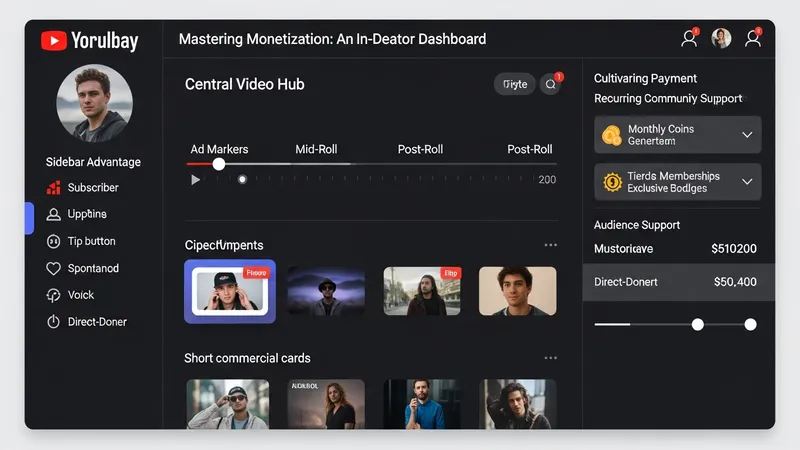
Ad formats and their placement often depend on video length, viewing patterns, and platform policy. For example, mid-roll breaks may only be permitted after a minimum number of seconds or minutes of playback, and automated ad insertion can factor in viewer retention curves. Platforms may apply frequency caps and session-level limits to reduce viewer fatigue. Technical considerations such as cross-posting, resolution, and use of pre-recorded versus live content can also affect ad eligibility and performance.
Eligibility and content-policy frameworks typically influence which creators and videos can access specific monetization features. Platforms commonly require account standing, adherence to community standards, and minimum engagement or view-time thresholds over a recent period. Copyright and music licensing are frequent constraints: tracks without proper rights can disqualify content from ad-based monetization, while branded content often requires clear disclosure. Policy enforcement mechanisms may include manual review, automated detection, and appeal pathways.
Revenue models usually combine ad-share arrangements, subscription proceeds, and direct-support transactions. Ad-share calculations often consider total ad revenue, platform fees, and the number of qualifying impressions; many creators find that rates per thousand impressions vary by audience demographics, seasonality, and advertiser demand. Subscription or fan-support streams often follow separate revenue-share rules and may include platform-managed fees. Reporting interfaces typically provide metrics such as estimated earnings, impressions, and engagement to help creators evaluate results.
Measurement and optimization typically rely on a mix of viewership metrics and ad performance indicators. Metrics commonly monitored include watch time, audience retention at ad break points, click-through rates, and completion rates for in-stream ads. Creators often analyze these signals to adjust content length, pacing, and ad break placement so that ad density aligns with retention patterns. Platform reporting may present aggregated insights and exportable data for external analysis.
In summary, modern platform monetization combines ad-enabled formats, direct-support mechanisms, and policy-driven eligibility that together shape potential creator revenue. Each element—ad breaks, in-stream units, subscriptions, and tips—operates under technical, legal, and market constraints that may evolve. The next sections examine practical components and considerations in more detail.

Ad formats available for video monetization often include short mid-rolls, pre-rolls, post-rolls, and bumper ads, with each format carrying distinct viewer-impact and technical requirements. Mid-roll breaks typically require a minimum content duration before they can be inserted, and automatic insertion algorithms may place breaks at points predicted to have lower drop-off. Pre-rolls may be constrained by viewer skip options or ad length limits. Creators should be aware that longer ad lengths or frequent breaks can influence retention metrics, which in turn can affect future ad-serving eligibility.
Insertion technology in 2026 may rely more heavily on server-side ad insertion and programmatic bidding to match ads with audience segments. Server-side approaches can make ad delivery more seamless across devices and reduce ad-block interference, while programmatic ads introduce variability in fill rates and CPM. Creators may encounter both direct-sold or programmatically served ads within the same stream. Understanding these mechanics helps interpret fluctuations in reported ad impressions and revenue estimates.
Placement strategies that balance viewer experience and monetization often emphasize natural breakpoints, such as scene changes or chapter markers. Platforms may provide recommended placement guidance or automatic placement tools that optimize for retention. Live broadcasts sometimes use different rules: live ad breaks can be scheduled or triggered by hosts, with platforms applying separate caps and review processes. Creators should consider how content pacing, live interaction, and expected session length affect appropriate ad frequency.
Ad density policies and brand-safety heuristics are commonly enforced to protect both advertisers and viewers. Frequency limits, per-session caps, and content-based exclusions (for example, sensitive topics) may reduce ad load on specific videos. Platforms also typically offer controls to prevent ads from appearing alongside certain content categories. These safeguards can alter expected fill rates and require creators to monitor policy updates and reporting to maintain consistent eligibility and performance.

Eligibility for monetization commonly includes account standing, adherence to community policies, and recent engagement thresholds. Platforms may require a creator account in good standing, consistent publication over a recent period, and evidence of authentic audience engagement. Thresholds often focus on total minutes viewed, follower counts, or watch-time patterns, and these thresholds can be updated based on platform strategy. Verification steps—such as identity confirmation and tax form submission—are frequently part of onboarding to receive payments.
Content policy considerations typically affect which videos are eligible for ad-based revenue. Copyrighted material, unlicensed music, and content that includes third-party brand logos without disclosure can trigger monetization restrictions. Additionally, content dealing with sensitive topics may be classified as limited or unsuitable for advertising. Automated systems often perform initial checks, with manual review for borderline cases. Creators should document rights clearances and comply with disclosure requirements for sponsored content to reduce the risk of demonetization.
Appeals and remediation pathways are usually available but can vary in processing time and outcome. When a video is restricted, platforms commonly provide a notification explaining the reason and instructions to request a review. The review process may evaluate contextual factors such as intent, editorial framing, and corrective actions taken by the creator. Maintaining clear records of licensing agreements and instances of prior review can assist creators in navigating appeals, though outcomes are not guaranteed and depend on platform policies.
Platform partnerships and branded-content tools may have additional compliance requirements. Branded-content features often require both disclosure to audiences and adherence to advertiser guidelines, including restrictions on certain product categories. Some branded-content workflows also include advertiser approvals and content review prior to campaign launch. Creators using these tools should expect additional reporting and documentation steps tied to campaign performance and compliance.

Revenue models generally combine ad-based income, recurring subscription revenue, and direct-support transactions. Ad-based income is often calculated per impression or per thousand impressions (CPM), with platform-defined revenue shares applied after platform fees. Subscription or fan-support streams may be split differently and sometimes follow distinct fee schedules. The mix of revenue sources influences overall income variability, since ad rates can fluctuate with market demand while subscription revenue tends to be more stable but dependent on subscriber retention.
Payout mechanics typically involve a minimum payout threshold, supported payment methods, and periodic disbursements. Platforms commonly require tax and identity verification before processing payments. Timing of payments may be monthly or multi-weekly and may be delayed if account requirements or verification steps are incomplete. Reporting interfaces usually present estimated earnings, finalized earnings after reconciliation, and historical payment records to help creators reconcile their expected and received amounts.
Performance metrics that inform revenue understanding often include impressions, ad-filled impressions, estimated earnings, watch time, and RPM (revenue per thousand views). These metrics may be presented in aggregated dashboards and downloadable reports. CPMs and RPMs can vary widely by content category, geographic distribution of viewers, seasonality, and advertiser demand. Creators typically analyze trends across these metrics to interpret why revenue changes over time and to plan content adjustments.
Tax and regulatory considerations are part of long-term revenue management. Platforms and creators must comply with prevailing tax reporting requirements and may provide tax forms or payer-identification information as required in each jurisdiction. Additionally, privacy and data-protection rules can affect ad personalization and therefore ad revenue. Staying informed about regulatory updates and maintaining accurate account documentation are practical considerations for creators receiving platform payments.
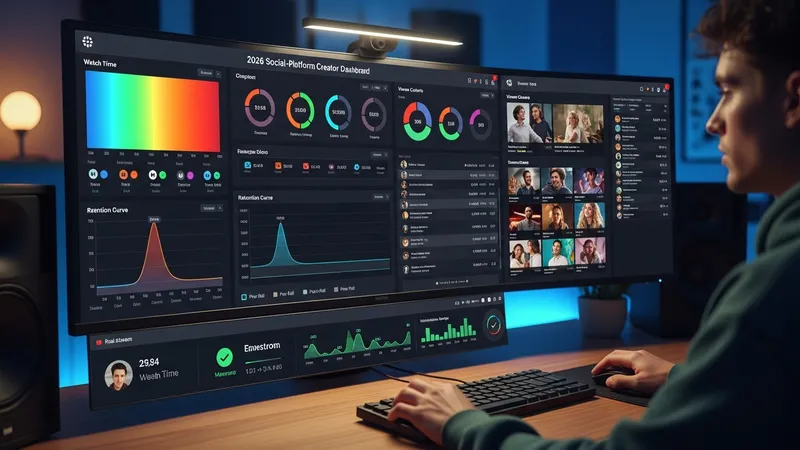
Audience composition and engagement patterns significantly affect monetization outcomes. Advertisers typically value certain demographic segments and viewing behaviors, so channels with consistent watch-time and repeat viewers may attract higher ad demand. Content that encourages longer session duration and regular return visits can increase the supply of ad impressions that qualify for revenue. Creators may analyze audience cohorts, peak viewing times, and retention curves to inform content scheduling and format choices.
Content strategy that aligns with ad formats often focuses on pacing and clear chaptering to support mid-roll placement without abrupt viewer drop-off. Shorter videos may rely more on pre-roll and post-roll ad models, while longer episodes can incorporate multiple mid-rolls if retention supports them. Diversifying content types—live streams, serialized long-form video, and short-form clips—can broaden the set of monetization tools available, but each format usually comes with separate eligibility and performance considerations.
Compliance with brand-safety and advertiser guidelines remains essential for sustained monetization. Content that falls into sensitive categories or that repetitively violates policies can face restricted monetization or limited ad demand. Creators should apply clear disclosures for paid partnerships and ensure licensed use of third-party assets. Monitoring policy updates and keeping content metadata accurate (descriptions, tags, and category labels) can reduce inadvertent restrictions and support clearer reporting outcomes.
Long-term sustainability often depends on combining multiple revenue sources and reinvesting in audience development. While ad revenue may fluctuate with market dynamics, subscription and direct-support streams can provide recurring income that is less tied to advertiser cycles. Cross-platform distribution and community-building practices can improve resilience. Observing analytics, adapting to audience feedback, and maintaining policy compliance are practical approaches to managing the evolving monetization landscape in 2026.