
T-Mobile Home Internet and TV options for seniors describe a set of consumer services and compatible technologies that combine fixed wireless internet access with television viewing via streaming platforms and streaming-capable hardware. The concept centers on delivering household internet through a cellular-based gateway or router and using that connection to access live or on-demand television via third-party streaming services and media players. For older adults, relevant features often include simple setup, consistent signal inside a living space, and access to familiar television interfaces through connected devices.
These options typically separate the network access component (the fixed wireless gateway and wireless plan) from the television component (streaming subscriptions and hardware). The internet service provides bandwidth and local network features such as Wi‑Fi and guest networks; streaming services supply content libraries and live channels; and devices like streaming sticks or set-top boxes decode and present television on the user’s display. Account controls, accessibility settings, and device compatibility are commonly considered when assessing whether a configuration meets a senior household’s needs.
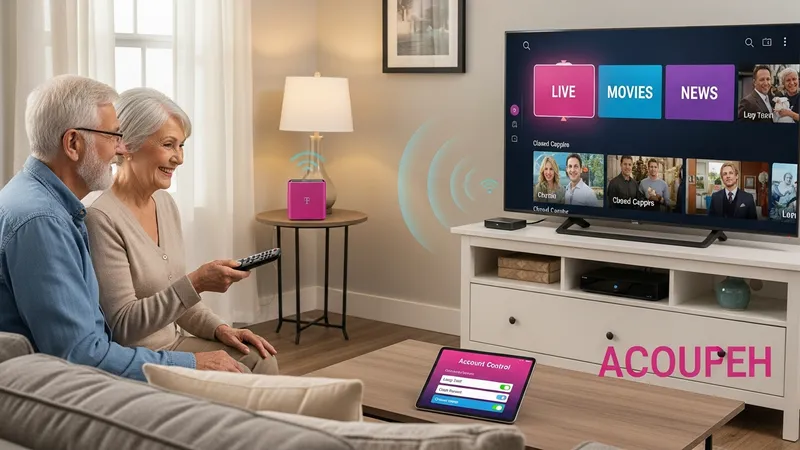
Comparing the pieces of this setup, fixed wireless internet solutions may offer simpler installation than wired alternatives because they often require only placement of a gateway and basic configuration. Performance can vary with signal strength, indoor placement, and local network congestion. Streaming television services differ in channel lineups, cloud DVR policies, and supported device ecosystems; seniors may prioritize services that replicate familiar channel groupings or offer straightforward navigation. Devices vary in remote control design, voice search options, and text size adjustments, which can affect usability for people with limited dexterity or vision.
Bandwidth requirements for television viewing commonly influence which combination of internet plan and streaming service is appropriate. Single‑stream standard‑definition content can use modest bandwidth, while multiple simultaneous high‑definition or 4K streams typically increase demand. When a home relies on a fixed wireless gateway, interior placement near a window or elevated position may improve signal reception and therefore streaming stability. Network features such as Quality of Service (QoS) or guest networks can help separate video traffic from other devices, which may reduce interruptions during viewing sessions.
Equipment considerations may be particularly relevant for seniors because simplicity and reliability often matter more than advanced feature sets. Choices include a basic plug‑and‑play gateway, an easy‑to-use streaming stick with a simplified remote, or a smart TV with accessible menus. Accessibility features to look for include closed captions, customizable font sizes, voice navigation, and hardware remotes with clearly labeled buttons. Account management tools—such as web portals and mobile apps—may offer billing overview, network diagnostics, and parental or guest controls; how these are presented can affect ease of use for older adults and their caregivers.
Support and ongoing management are part of the overall picture: options may include online knowledge bases, phone support, or community forums. For seniors, predictable billing, clear device replacement policies, and transparent data or usage notes can reduce confusion. The next sections examine practical components and considerations in more detail.
Fixed wireless home internet generally relies on cellular network coverage and a local gateway device to create in‑home Wi‑Fi. For seniors, key performance factors include signal strength at the residence, typical throughput during peak hours, and indoor placement of the gateway. Signal penetration may be affected by building materials and distance from a cell site, so measured throughput can vary across neighborhoods. Households that place the gateway in a central, elevated location may see more consistent coverage across rooms, which can support video streaming to a television in common areas.
Latency and consistency are relevant for interactive applications and some streaming features; fixed wireless often has higher variability than wired fiber or cable in certain environments. Seniors who rely on teleconferencing for health check‑ins or video calls alongside television viewing may notice these differences. Network settings such as device prioritization, separation of 2.4 GHz and 5 GHz bands, and optional Ethernet connections for streaming devices can be used to stabilize experiences, but these measures may require basic technical setup or assistance.
Data usage patterns influence expectations for service continuity. Continuous high‑definition streaming or multiple simultaneous streams may increase monthly data consumption, which some households monitor through provider portals or router interfaces. Caregivers or household members can use device-level monitoring and guest‑network segregation to limit background device usage that may affect viewing quality. For seniors concerned about data usage, tracking tools and periodic reviews of streaming habits may help align service choices with typical household needs.
Environmental and practical installation considerations often matter for older adults: easy access to power outlets, minimal need for ladder work or complex mounting, and clear labeling of cables and ports can make setup and later troubleshooting simpler. Many providers offer technician visits or remote assistance options; where these are not used, straightforward manufacturer documentation and senior-friendly video tutorials may be the most practical way to address common connectivity issues without extensive technical skills.
Streaming services supply the television content layer that runs over an internet connection. Common live-TV and on-demand services provide apps for many streaming devices and smart TVs; compatibility is typically listed on each service’s site. Seniors may evaluate services by channel availability, cloud DVR features, and interface simplicity. Streaming platforms differ in how they present navigation menus, how they surface recommended content, and how they manage account profiles. Where multiple household members share a TV, services that support profiles can help tailor content without affecting others’ recommendations.
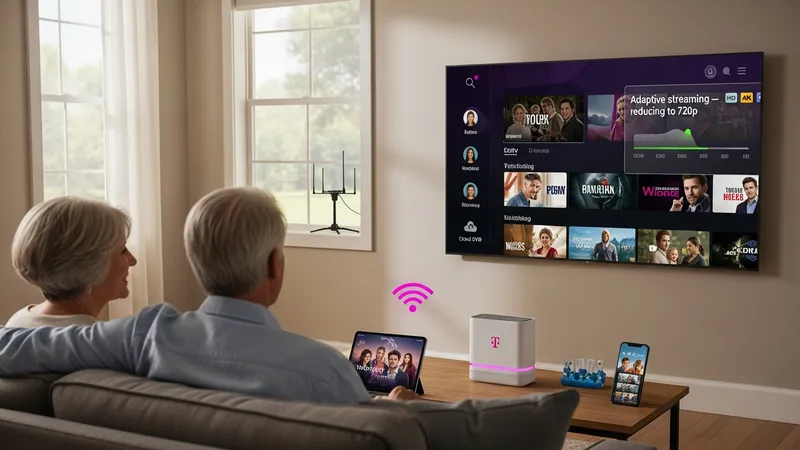
Bandwidth requirements vary by service and stream quality: standard‑definition streams use less bandwidth than high‑definition or 4K streams. For households using fixed wireless internet, concurrent streams and other household internet activity can affect performance. Many streaming services include adjustable quality settings or adaptive streaming that may reduce resolution to maintain playback, which can be useful when network conditions fluctuate. Seniors who prefer stable playback over highest resolution might find adaptive behavior acceptable for routine viewing.
Device compatibility and app behavior are a practical concern: some services are optimized for specific platforms and may offer different feature sets across devices. For example, cloud DVR or picture‑in‑picture functionality may behave differently on a smart TV built‑in app compared with an external streaming device. Seniors and their assistants can check the service’s supported device list and review app interfaces before committing to a particular streaming ecosystem, recognizing that switching devices may change the user experience even with the same subscription.
Accessibility and navigation within streaming services vary and can influence comfort and adoption. Features such as adjustable caption fonts, audio descriptions, voice search, and simplified menus can reduce friction. Many services and devices allow the enabling of captions and audio descriptions at the account or device level. For seniors who rely on larger on‑screen text or auditory cues, verifying these settings during initial setup is often helpful; documentation and customer support channels may provide step‑by‑step instructions if needed.
Equipment choices link the network and television components. Common hardware includes the fixed wireless gateway provided by the internet service, a streaming device or smart TV to access television apps, and optional network extenders for larger homes. For seniors, the ideal equipment mix often prioritizes minimal setup complexity, clear documentation, and remotes or interfaces with large, legible labels. Some streaming sticks offer simplified remotes and voice commands, while certain smart TVs provide an all‑in‑one approach that avoids a separate box. Each approach has tradeoffs in terms of flexibility and ease of replacement.
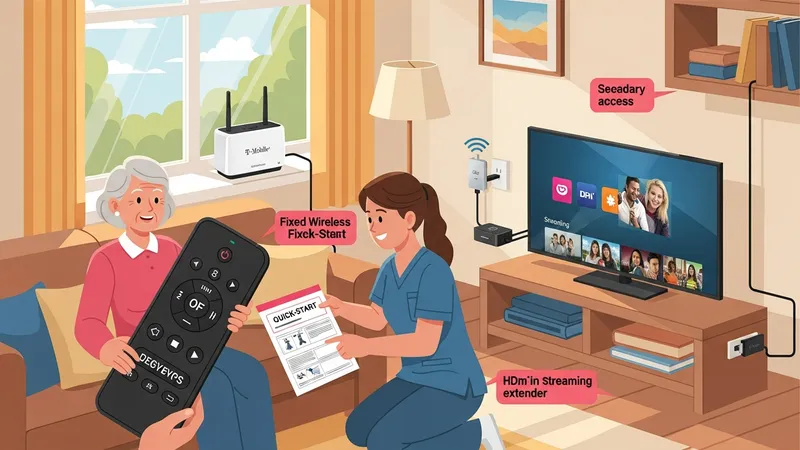
Installation considerations may include where to place the gateway to balance reception and convenience. Gateways generally achieve better reception near windows and at higher elevations, but proximity to the primary television and power outlets may require a compromise. If Wi‑Fi coverage to other rooms is limited, small plug‑in extenders or a wired Ethernet link to a secondary access point can improve performance; however, these add components and complexity. Caregivers may prefer solutions that minimize the number of devices that require routine attention or updates.
Accessibility tools on devices can support seniors’ viewing preferences. Many streaming devices and smart TVs include features such as voice control, screen magnification, simplified home screens, and programmable buttons on remotes. Where visual or hearing needs exist, enabling captions, increasing contrast, or activating audio description tracks may improve usability. Documentation that clearly lists how to change these settings—either in printed form or via brief annotated screenshots—can make a practical difference during setup and later adjustments.
Maintenance and troubleshooting expectations are important to establish in advance. Gateway firmware updates, app updates, and periodic reboots are typical maintenance tasks. For seniors, arranging account access for a trusted family member or caregiver, or keeping a short troubleshooting checklist nearby, can reduce downtime. When professional technicians are available through a provider or local service, documenting contact options and typical support hours may simplify resolving issues without trial‑and‑error for the primary household member.
Pricing for an overall home internet and television configuration typically reflects separate components—network access and content subscriptions. Monthly fees for internet access, subscription costs for streaming services, and any equipment rental or purchase are commonly billed independently. Seniors may encounter offers or regional differences in pricing; evaluating total monthly cost across the gateway, streaming subscriptions, and optional equipment can provide a clearer picture than considering each element in isolation. Where budgets are a concern, monitoring usage patterns and reviewing subscription overlap may be part of ongoing management.
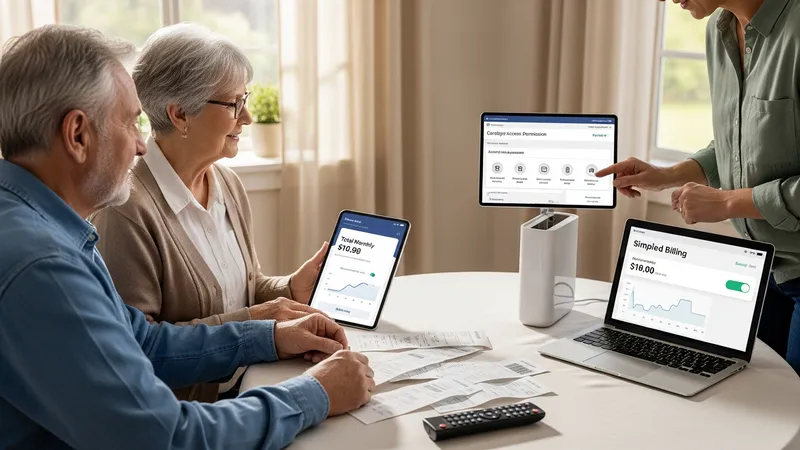
Account management tools vary by provider and device. Web portals and mobile apps often provide bill viewing, usage summaries, and basic troubleshooting steps; the level of detail and interface complexity differs across platforms. Seniors may value simplified billing views, the ability to set up automatic payments or paper billing alternatives, and clear contact channels for support. Where available, family or caregiver account access with controlled permissions can help manage settings and respond to technical or billing questions.
Senior-focused service features are typically not standardized across providers, but common considerations include accessible customer support, user-friendly documentation, and device options with simplified remotes. Some equipment and streaming apps include assistive capabilities like larger text, voice navigation, and audio descriptions. In households where mobility or vision is limited, these features may influence device selection and the combination of services chosen. Documenting device passwords and account information in a secure, accessible location can reduce confusion when resets or account changes are required.
When evaluating long‑term usability, plan for occasional updates and device replacement cycles. Streaming apps and gateway firmware are periodically updated, and interfaces can change; routine checks to ensure captions, audio descriptions, remote batteries, and Wi‑Fi passwords remain functional are prudent. Collecting concise setup notes, keeping a list of service login methods, and identifying a technical contact who can assist if problems arise may help seniors maintain a reliable combination of home internet and television access over time.